The Ultimate Guide to Hook and Loop Materials, Lifespan, and Selection
Jun 09, 2026
When sourcing hook and loop fasteners for manufacturing or product design, many buyers fall into the trap of thinking, "They all look the same."
However, the raw material composition directly dictates your product’s durability, safety compliance, and bottom-line cost. Choosing the wrong material might save you a few cents upfront, but it can cost you thousands later in high return rates and damaged brand reputation.
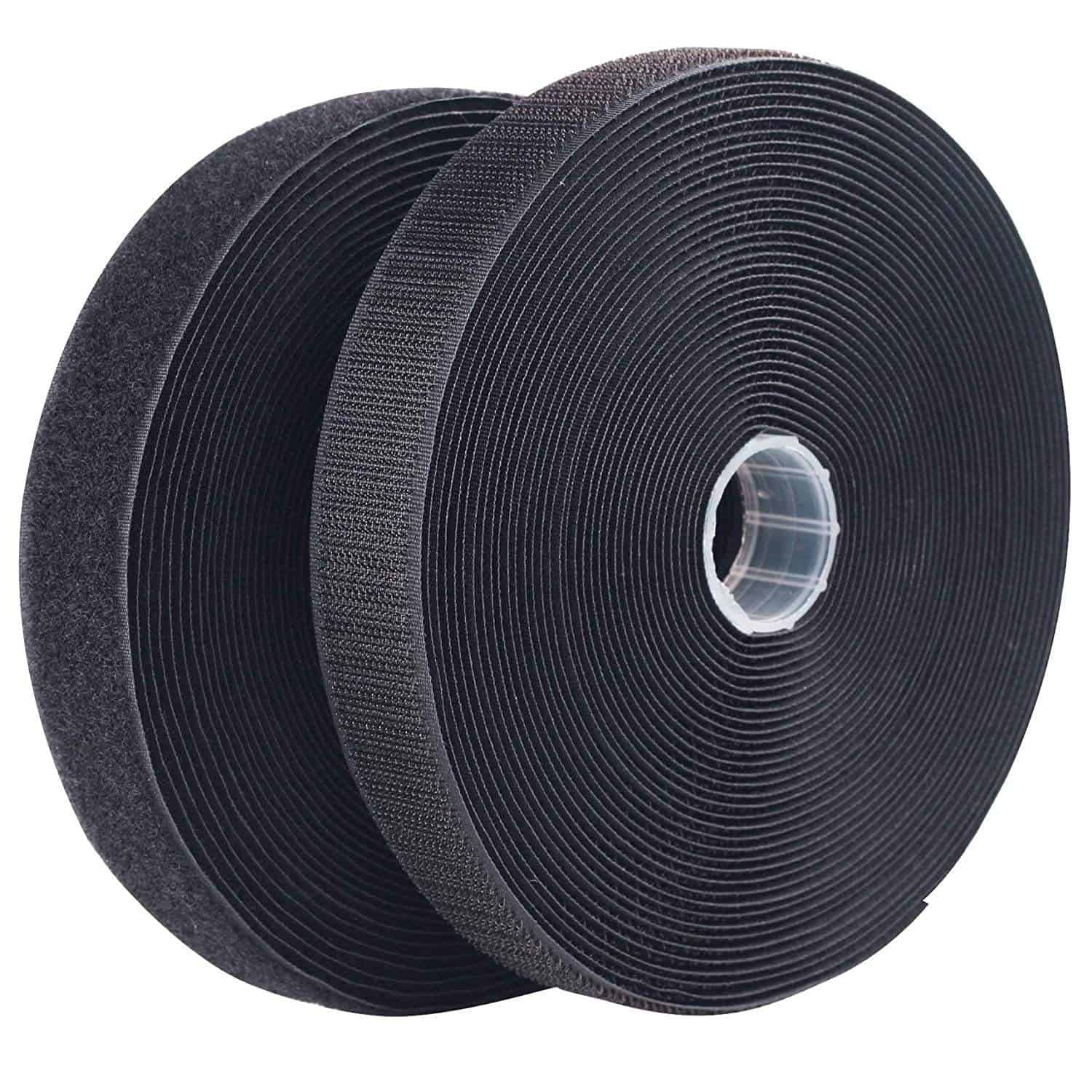
To help you make the right choice, let’s break down the four primary types of hook and loop materials, their lifespans, and their ideal applications.
1. Flame Retardant (FR) Nylon: Built for High-Stakes Safety & Compliance
In high-risk environments, safety is non-negotiable. FR Nylon hook and loop undergoes specialized chemical processing during the yarn extrusion phase, ensuring the fibers possess inherent self-extinguishing properties when exposed to open flames.
Lifespan: 5,000 to 10,000+ cycles
Certifications: Must comply with strict international standards such as UL 94 (Electronics), or FAR 25.853 (Aviation)).
Best Applications: Aircraft and aerospace products, automotive interiors, mass transit systems, military gear, and firefighting apparel.
The Bottom Line: When purchasing FR fasteners, you aren't just buying a material—you are buying regulatory compliance and liability protection.
2. 100% Nylon: The Gold Standard for High-Frequency Use
If your product requires a fastener that can be ripped open and closed thousands of times without losing its grip, 100% pure Nylon is the undisputed champion. Nylon (polyamide) has incredible polymer memory and elasticity, meaning the hooks won't deform and the loops won't fray easily.
Lifespan: 5,000 to 10,000+ cycles with minimal performance decay.
Best Applications: Applications demanding high-frequency open-and-close cycles, such as orthopedic medical braces, premium sports equipment, and high-end apparel. Because pure nylon has a softer texture and is chemically safe, it is also the mandatory choice for baby products (diapers, sleep sacks) to prevent scratching delicate skin.
3. Blend (Nylon / Polyester): The All-Rounder Cost-Optimizer
Can’t decide between premium durability and a tight budget? A blended hook and loop offers the perfect middle ground. By weaving the high tensile strength of nylon with the cost-efficiency of polyester, you get a highly versatile fastener.
Lifespan: 3,000 to 5,000 cycles, ideal for moderate daily use.
Best Applications: Standard consumer goods and daily-use products, including casual footwear, backpacks, luggage, and household cable-management straps.
4. 100% Polyester: The Ultimate Cost-Saver & Outdoor Hidden Champion
While 100% Polyester is typically labeled as the "budget" option, it actually holds a massive natural advantage over nylon: extremely low water absorption and superior UV resistance. Nylon absorbs moisture and degrades faster under direct sunlight, whereas polyester maintains its structural integrity in harsh weather.
Lifespan: 1,000 to 2,000 cycles.
Best Applications: Budget-conscious projects or static installations where the fastener is rarely opened and closed (e.g., trade show display boards, permanent window curtains, single-use medical disposables).
Outdoor and wet environments such as camping tents, marine gear, and agricultural/gardening tie-downs.
Avoid the Trap: Calculating the "Hidden Cost" of Fasteners
Many product developers try to squeeze margins by using 100% Polyester on high-use products like tactical backpacks or baby gear. The result? Within three months of consumer use, the hook and loop wears out completely, leading to a surge in negative reviews and product returns.
On paper, you save $0.05 per unit by down-specifying the material.
In reality, you lose a $50.00 customer and ruin your brand's trust.
Quick Selection
Material type
Cycle Lifespan
Core Benefit
Ideal Applications
FR Nylon
5,000 - 10,000+ times
Self-extinguishes, Certified
Aviation, Aerospace, Marine, Rail
100% Nylon
5,000 - 10, 000+ times
Maximum durability, skin-friendly
Baby products, Medical braces, Premium gear
70/30 Blend
3,000 - 5,000 times
Balanced price and performance
Everyday shoes, Bags, Home organization
100% Polyester
1,000 - 2,000 times
Low cost, UV/Water resistant
Disposables, Outdoors, tents, Fixed displays
Let's Engineer Your Perfect Fastener
Matching the exact material to your application ensures your product performs flawlessly out in the field while keeping your manufacturing costs tightly optimized.
As an established manufacturer specializing in technical fastening solutions, CCH don't just sell rolls—we help you engineer the right solution.
Unsure which material specification fits your upcoming project?
Contact CCHhookloop team today to request a free sample roll for testing!
Read More





 IPv6 network supported